
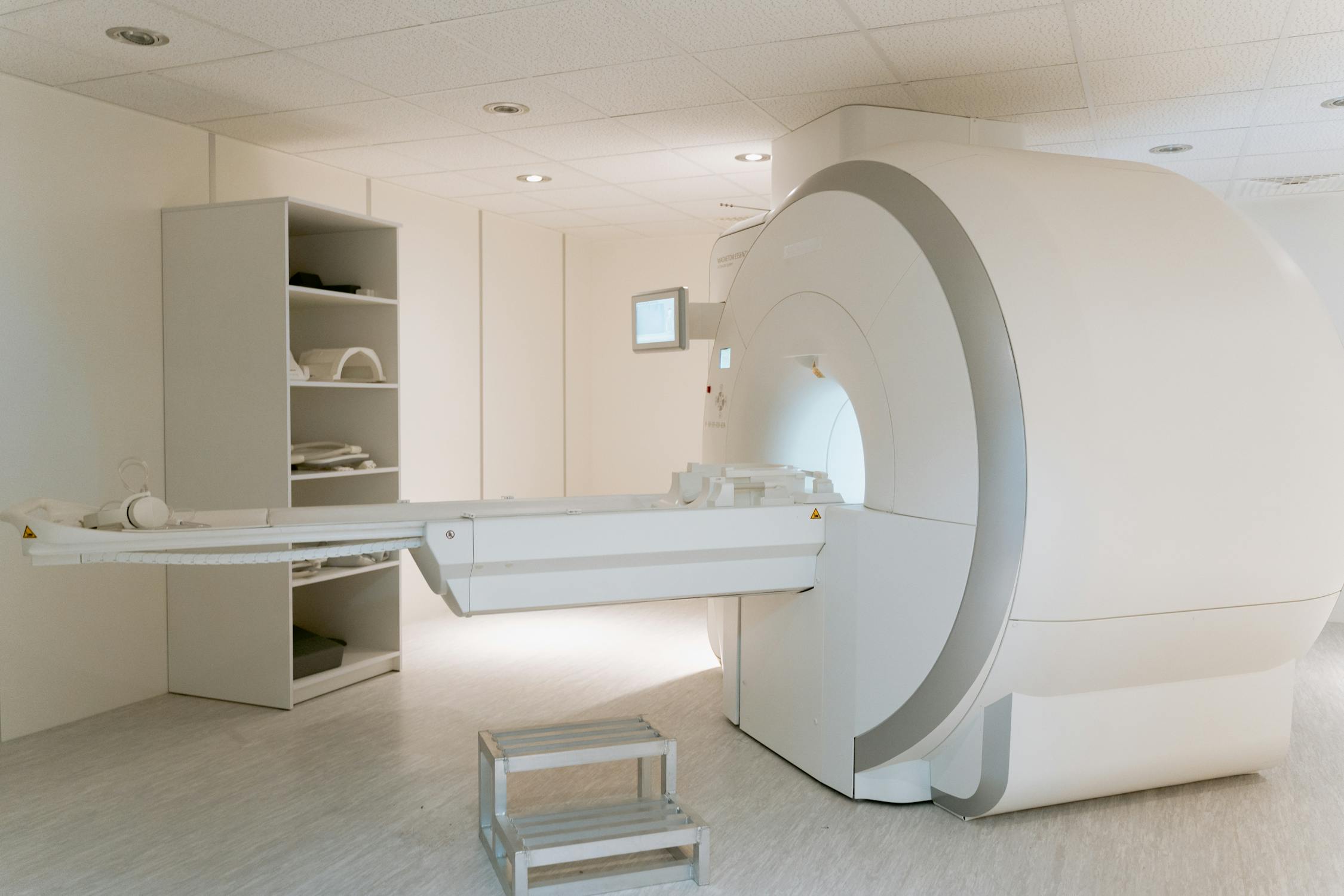
Medical imaging has become one of the most mature applications of artificial intelligence in healthcare. Deep learning models trained on millions of radiology scans are now capable of detecting tumors, fractures, and other abnormalities with diagnostic accuracy that rivals — and in some cases surpasses — experienced radiologists.
The FDA has cleared over 800 AI-enabled medical devices, with radiology leading the pack. Algorithms from companies like Viz.ai, Aidoc, and Google Health can flag critical findings such as pulmonary embolisms, intracranial hemorrhages, and breast cancer lesions in seconds, routing urgent cases to the front of the reading queue.
Beyond Detection: Quantification and Prediction
Modern AI does more than simply flag abnormalities. It quantifies them — measuring tumor volumes, tracking disease progression over time, and predicting treatment response based on imaging biomarkers. In oncology, AI-powered radiomics can extract hundreds of quantitative features from a single scan, building predictive models that inform personalized treatment plans.
Cardiac imaging has seen particularly striking advances. AI models can now calculate ejection fraction, assess valve function, and detect cardiomyopathy from echocardiograms with minimal human input, democratizing access to expert-level cardiac assessment in community hospitals that may lack subspecialty cardiologists.
The Radiologist of Tomorrow
Contrary to early predictions, AI has not replaced radiologists. Instead, it has amplified their capabilities. Radiologists using AI assistance read studies faster, catch more incidental findings, and report greater confidence in their diagnoses. The emerging consensus is that AI will not replace radiologists — but radiologists who use AI will replace those who do not.
The next frontier is multimodal AI that integrates imaging with genomic data, lab results, and clinical notes to provide holistic diagnostic assessments — moving from pattern recognition to true clinical reasoning.