
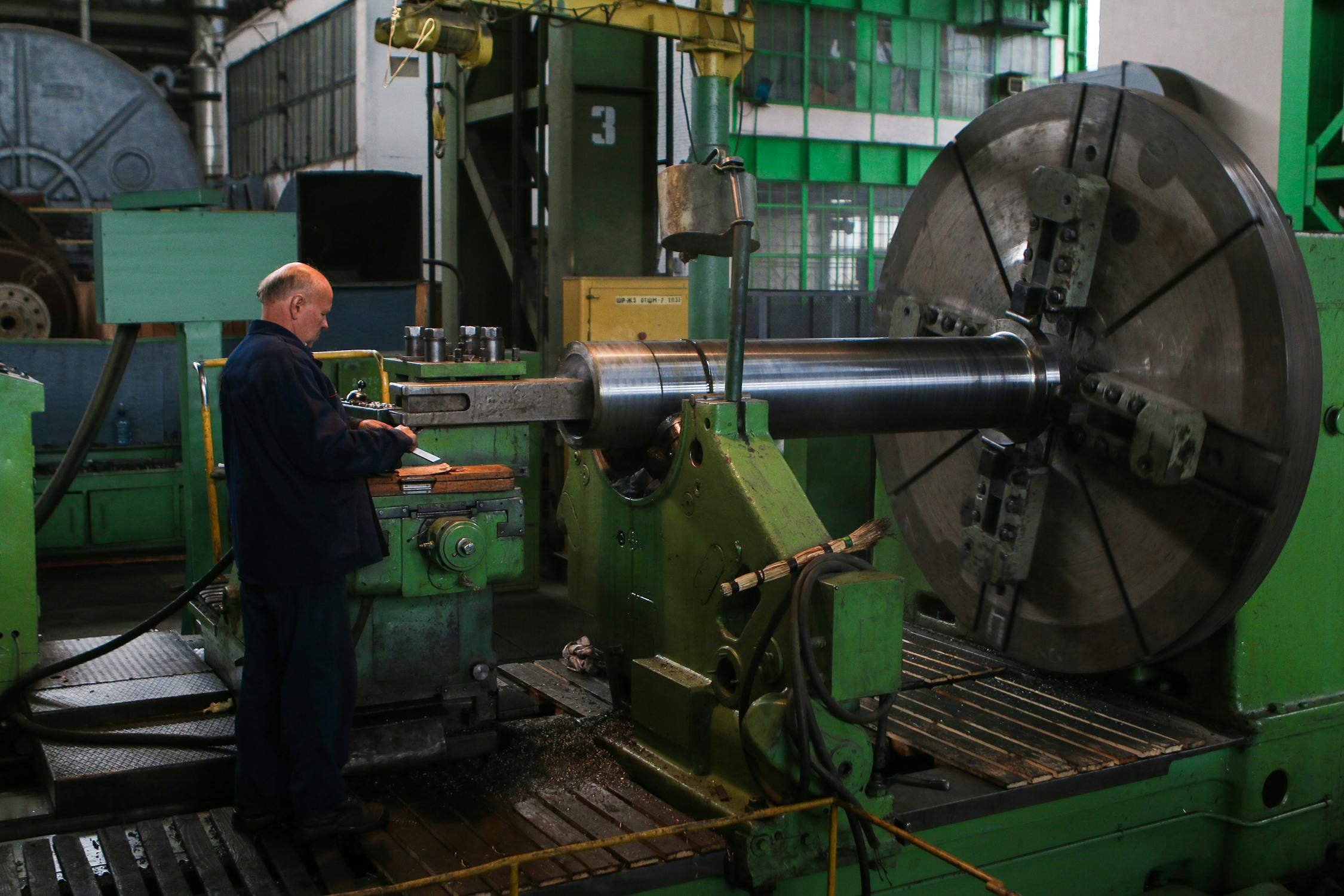
Predictive maintenance has moved from a promising concept to an operational reality across heavy industry, and artificial intelligence is the driving force behind the shift. By analyzing sensor data from equipment in real time, AI models can detect subtle patterns — vibration anomalies, thermal drift, acoustic signatures — that precede mechanical failure by days or even weeks.
The economic case is compelling. Unplanned downtime in manufacturing costs an estimated $50 billion annually in the United States alone. Traditional preventive maintenance schedules, based on fixed time intervals, often result in either premature part replacement or unexpected breakdowns. AI-driven predictive maintenance threads the needle, intervening at precisely the right moment.
From Reactive to Predictive
Major players like Siemens, GE, and Honeywell have deployed AI-powered digital twins — virtual replicas of physical equipment that simulate performance under varying conditions. These twins continuously learn from real-world data, improving their predictive accuracy over time. In wind energy, for example, AI models monitoring turbine gearboxes have reduced unplanned outages by up to 30%.
Edge computing has been a key enabler. Rather than streaming massive volumes of sensor data to the cloud, AI inference runs directly on industrial IoT devices, delivering millisecond-level predictions where they matter most — on the factory floor.
The Human Element
Critically, predictive maintenance does not eliminate the need for skilled technicians. Instead, it transforms their work from emergency response to planned intervention. Technicians armed with AI-generated diagnostics arrive at a machine already knowing the likely failure mode, the affected component, and the recommended repair procedure. This collaboration between human expertise and machine intelligence represents the future of industrial operations.